Taking care of your nails is an essential part of personal grooming and overall beauty. While a perfect manicure can boost confidence and enhance appearance, some daily habits might unknowingly be damaging your nails. Many common mistakes can lead to brittle, weak, or unhealthy nails, and understanding them can help maintain strong, beautiful nails in the long run. By making small changes, it’s possible to avoid these pitfalls and keep nails in their best condition.
Over-trimming or cutting cuticles is one of the most common nail care mistakes. Cuticles act as a natural barrier, protecting the nail bed from bacteria and infections. Removing them too aggressively or trimming them too often can expose the nail to harmful pathogens, leading to inflammation and irritation. Instead of cutting cuticles, gently pushing them back after a warm soak can keep nails looking neat without compromising their health. Using a nourishing cuticle oil regularly helps keep them soft and moisturized, preventing painful hangnails and dryness.
Skipping a base coat before applying nail polish might seem like a harmless step to save time, but it can have long-term effects on nail health. A base coat acts as a protective layer between the nail and the polish, preventing staining and dehydration. Many polishes contain chemicals that can dry out nails, making them more prone to peeling and breakage. Using a high-quality base coat not only extends the life of a manicure but also strengthens nails and keeps them from becoming brittle.
Using nails as tools is another common habit that can lead to breakage and splitting. Whether it’s opening cans, peeling off stickers, or scraping off labels, these actions put unnecessary stress on nails. Nails are not designed to endure such pressure, and using them in place of proper tools weakens their structure over time. Opting for an actual tool, such as a knife or a key, can prevent accidental chipping and maintain nail strength. Keeping nails trimmed to a reasonable length also minimizes the risk of breakage from daily activities.
Frequent exposure to harsh chemicals without protection is detrimental to nail health. Cleaning products, detergents, and even hand sanitizers contain strong chemicals that strip away natural moisture, leaving nails dry and brittle. Wearing gloves while cleaning or washing dishes is a simple yet effective way to protect nails from damage. Following up with a hydrating hand cream or nail oil after exposure to harsh substances helps restore moisture and prevent nails from becoming fragile.
Peeling off gel polish instead of properly removing it can cause severe damage to the nails. While it may be tempting to pick at peeling polish, this practice strips away layers of the nail, leaving them weak and uneven. The correct method for gel polish removal involves soaking nails in acetone and gently pushing off the polish with an orangewood stick. Moisturizing immediately after removal is crucial to replenishing lost hydration and maintaining nail strength.
Skipping nail hydration is another mistake that leads to dryness and brittleness. Just like skin and hair, nails require moisture to stay healthy. Using a nourishing cuticle oil and applying a hydrating hand lotion regularly helps to maintain flexibility and prevent splitting. Drinking plenty of water and eating a balanced diet rich in biotin and other essential nutrients also supports healthy nail growth from within.
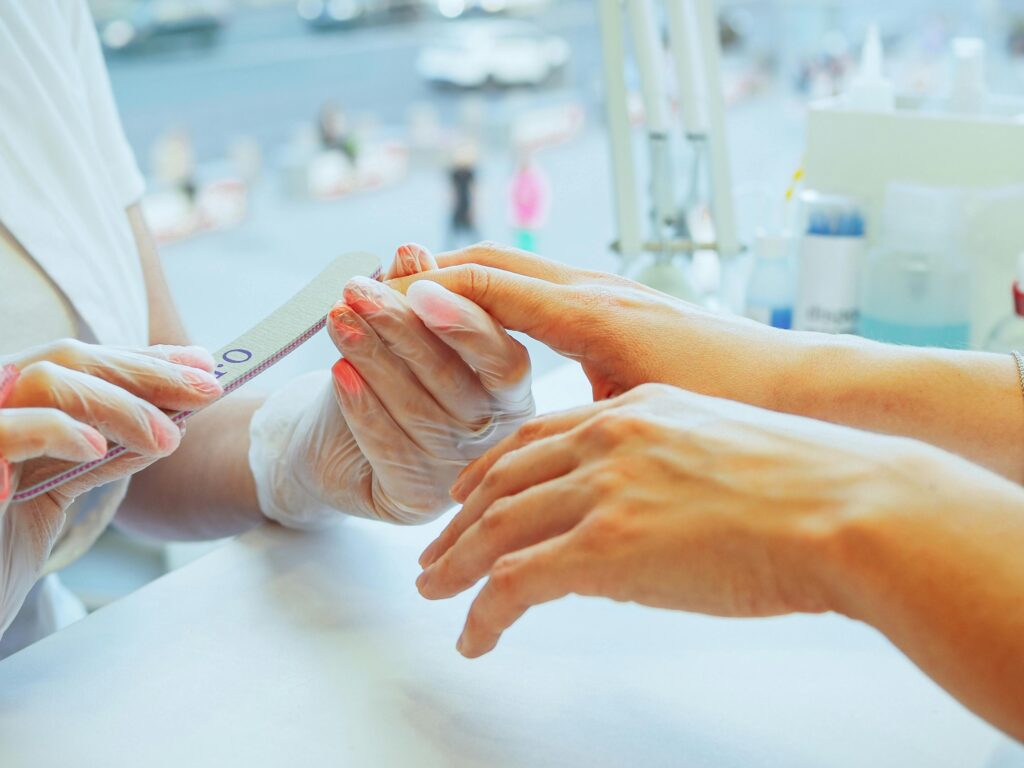
Ignoring nail shape and rough edges can result in painful snags and breakage. Filing nails incorrectly or using a rough file can cause uneven edges that lead to peeling and splitting. Instead of using a back-and-forth sawing motion, filing in one direction with a gentle, fine-grit file helps maintain smooth, healthy edges. Choosing a nail shape that suits the natural curvature of the fingers also reduces the likelihood of breakage.
Applying nail polish too frequently without giving nails a break can contribute to discoloration and weakening. Nails need time to breathe and recover from continuous exposure to polish, especially if they are frequently coated with dark or heavily pigmented colors. Taking occasional breaks from nail polish and allowing nails to be bare for a few days lets them regain their natural strength and reduces the risk of yellowing. Using a strengthening treatment or breathable polish can help maintain nail health while still achieving a polished look.
Using low-quality nail tools or failing to sanitize them properly can introduce bacteria and cause infections. Old or dull nail clippers, unclean files, and poorly maintained cuticle pushers can all harbor bacteria that lead to nail infections. Cleaning nail tools regularly with alcohol and replacing old tools when necessary ensures a safe and hygienic nail care routine. Opting for professional-grade tools also enhances the quality of at-home manicures and promotes healthier nails.
Forgetting about sun protection for nails is an often-overlooked mistake. Just like skin, nails are vulnerable to UV damage, especially when frequently exposed to sunlight. Prolonged exposure to UV rays can lead to nail discoloration, weakening, and even increased brittleness. Applying a nail polish or top coat with UV protection can help shield nails from sun damage. Wearing gloves when spending extended periods in direct sunlight also prevents excessive exposure and helps maintain overall nail health.
Understanding these common nail care mistakes and making small adjustments can lead to stronger, healthier nails in the long run. Taking the time to properly care for cuticles, use protective base coats, avoid harsh chemicals, and keep nails hydrated can make a significant difference in maintaining nail beauty. With the right habits and a mindful approach, achieving salon-quality nails at home is entirely possible while ensuring long-term nail health.